
Before starting any organization it’s necessary to think and plan the structure in which it will function, be it more formal or informal, more or less burocratic or even more present or digital, so as to be the most efficient. An organization is nothing more than an aggregation of people who have a common goal beyond their own individualities. The structure is dependent on external (like legal obligations) and internal (like the objetives) factors. This structure defines the departments that can be created, dividing the functions between the people involved: financial, operational, administrative, etc.; but the division can also be in order to other factors like products, clients, geographical locations, projects, and many others.
Simple structure
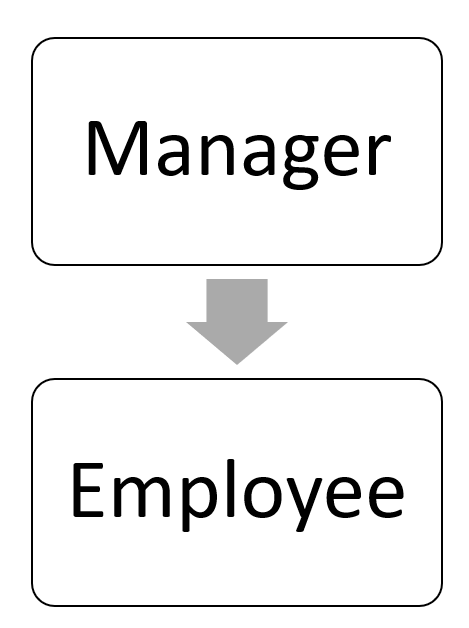
This structure is most common in family firms, micro and small companies, due to the control and management being in the hands of the founders, who act both as manager and owner. It may be functional while it is a small firm but as it grows, the structrue doesn’t fit anymore and the control is confusingly disperse, getting difficult to manage the operations.
Functional structure
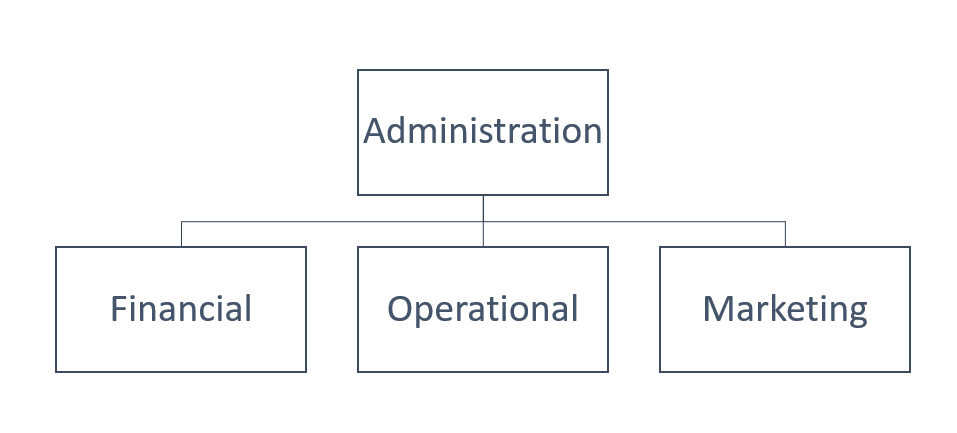
Creating specific departments adds significant responsability and delegation of tasks. In each department, there’s a manager who holds responsability and must supervise the operations within the department. Has advantages like the efficiency and focus on a group of similar tasks. The disadvantages are the excess of routinal operations and possibility of conflicts between departments negatively afect the general strategy.
Divisionary structure
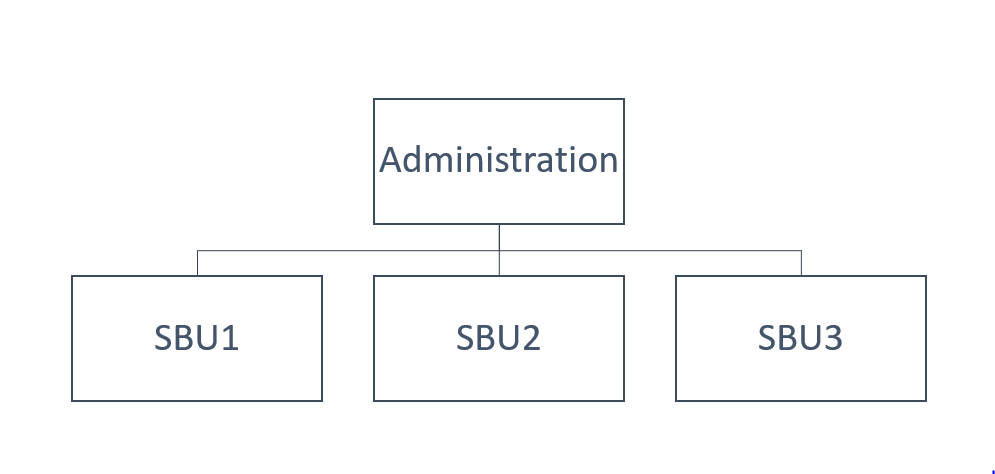
The divisionary structure is focused on the complete division of economical sectors, capital holdings or others, being divided in two ways: the Strategic Business Unit division is a division within the same organization, where each unit is relatively independent from the others, having a more agile planning and coordination, but has a side effect which is the distancing between the top administration and the lower managers. The Holding division is like the SBU division, but the units are separated companies and the holding company owns the whole or just parts of the company, as a business invesment company who manages its investments; the control is made only through the top administration of the investments which makes it more difficult to execute the orders the way the holding company may want.
Project structure
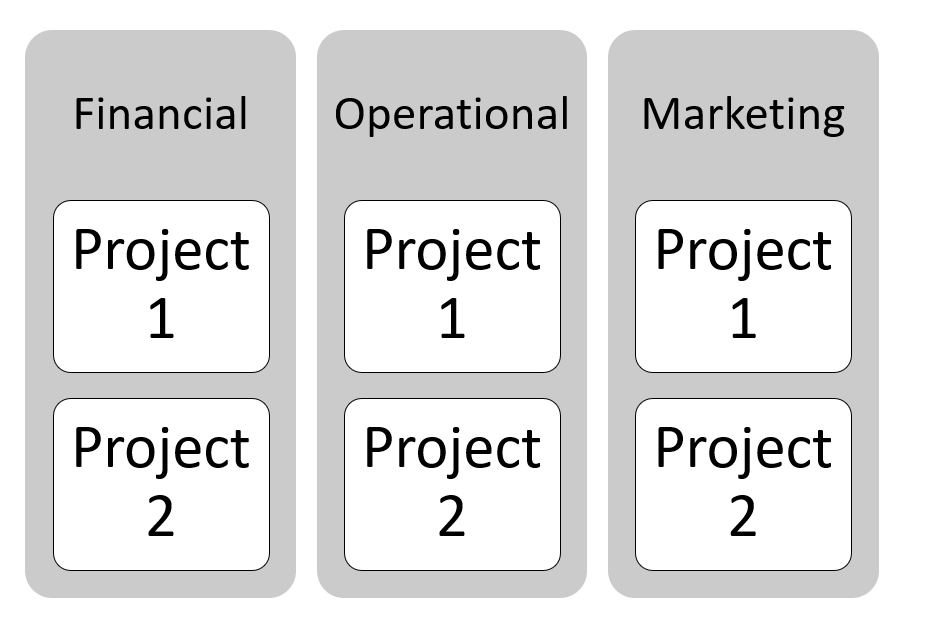
The project structure is a more dinamic and decentralized form of organization which involves more resources, physical and human, towards achieving the proposed goals. The functional departments are interlined with the projects, where each department is divided and connect with other departments by project. For example, the Marketing department is involved with the Human Resources department for project A, but also for projects B and C, having their independence for Marketing functions but being connected with the other departments for projects A, B and C.
Network structure
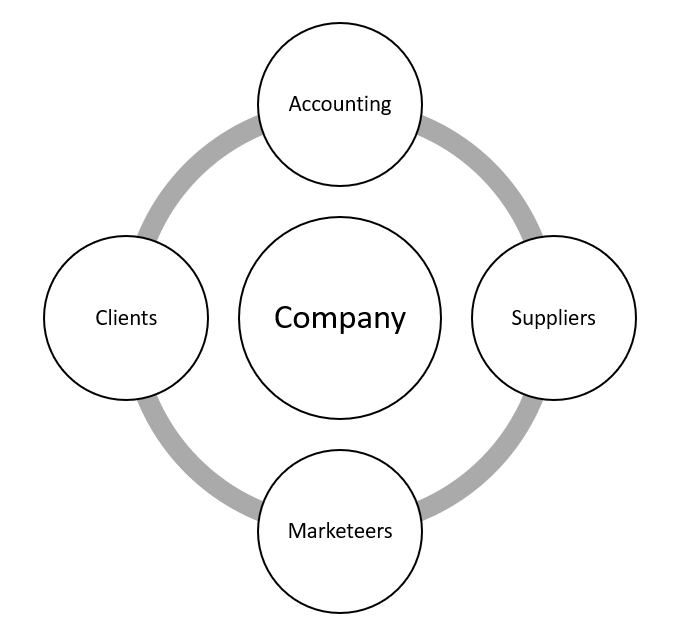
This is a newer structure that results of the process of outsourcing some parts of the business, needing more coordination and responsability between the parts. This allows for a bigger concentration in a few activities by the organization, creating more value to the costumer. For example, a Marketing business may outsource its cleaning activities, its digital activities or even its accounting activities, having more time and focus on its core marketing activities.

Subscribe our media posts, follow our social media accounts and learn even more by clicking in the following icons.

